
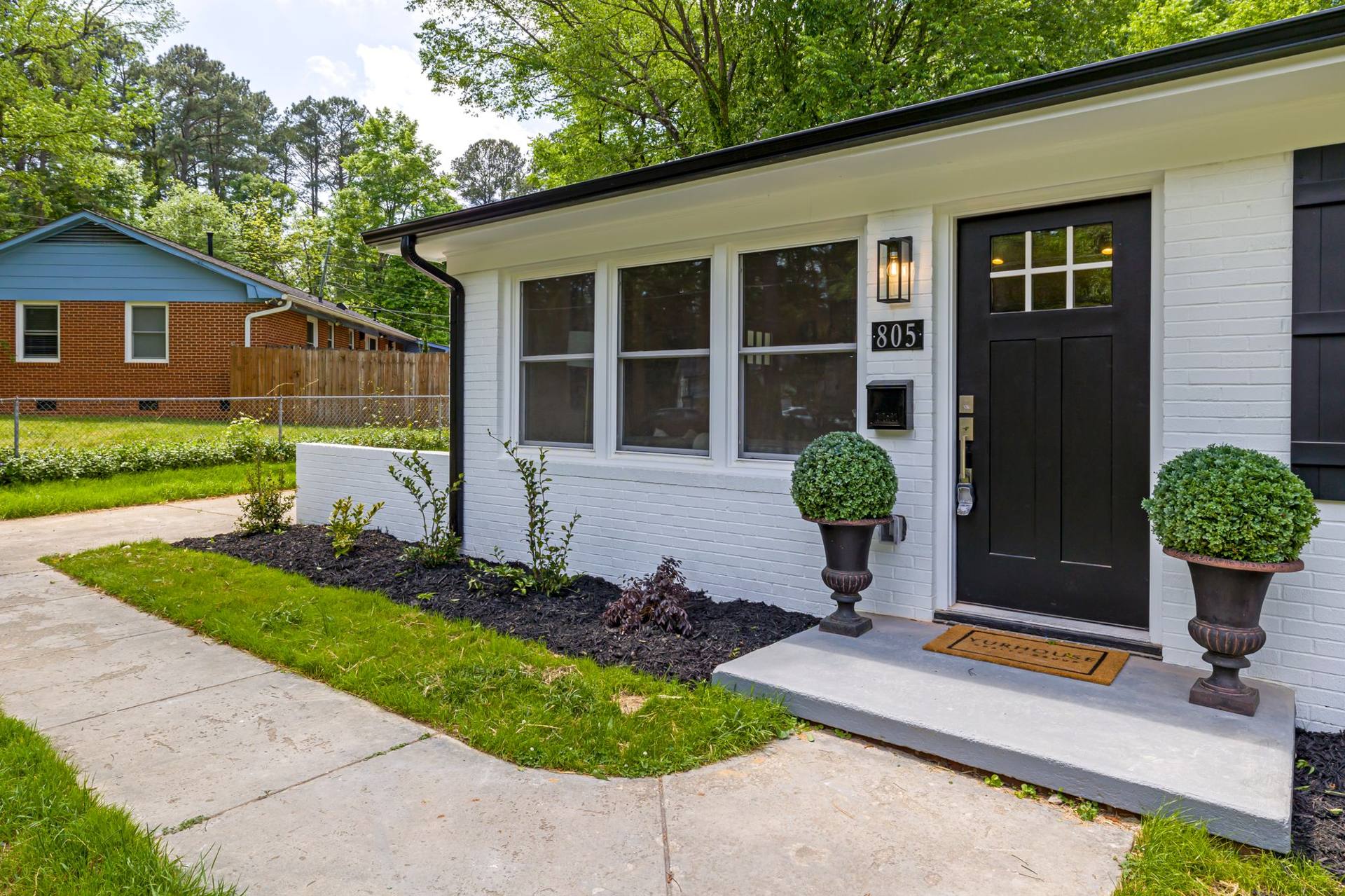
Cincinnati Radon Mitigation
Radon Mitigation in Cincinnati, Ohio
We install active soil depressurization systems built around your foundation type. Every job includes a post-install verification test so you know the level actually dropped.
- Licensed & Insured
- Locally Owned
- Written Estimates
- Post-Install Verification
Ready to get your home below 4.0 pCi/L?
Describe your house and we will send back a written price, a timeline, and what the installation actually involves.
4.0 pCi/L
EPA action level
Mitigation is recommended at or above this reading
1 in 15
U.S. homes above the threshold
The EPA's estimate of homes exceeding 4.0 pCi/L
< 2.0 pCi/L
Typical post-mitigation result
What a properly designed system usually achieves
ANSI/AARST
Installation standard
The national consensus standard for radon mitigation systems
Why Mitigation Matters
Southwest Ohio sits on geology that produces radon
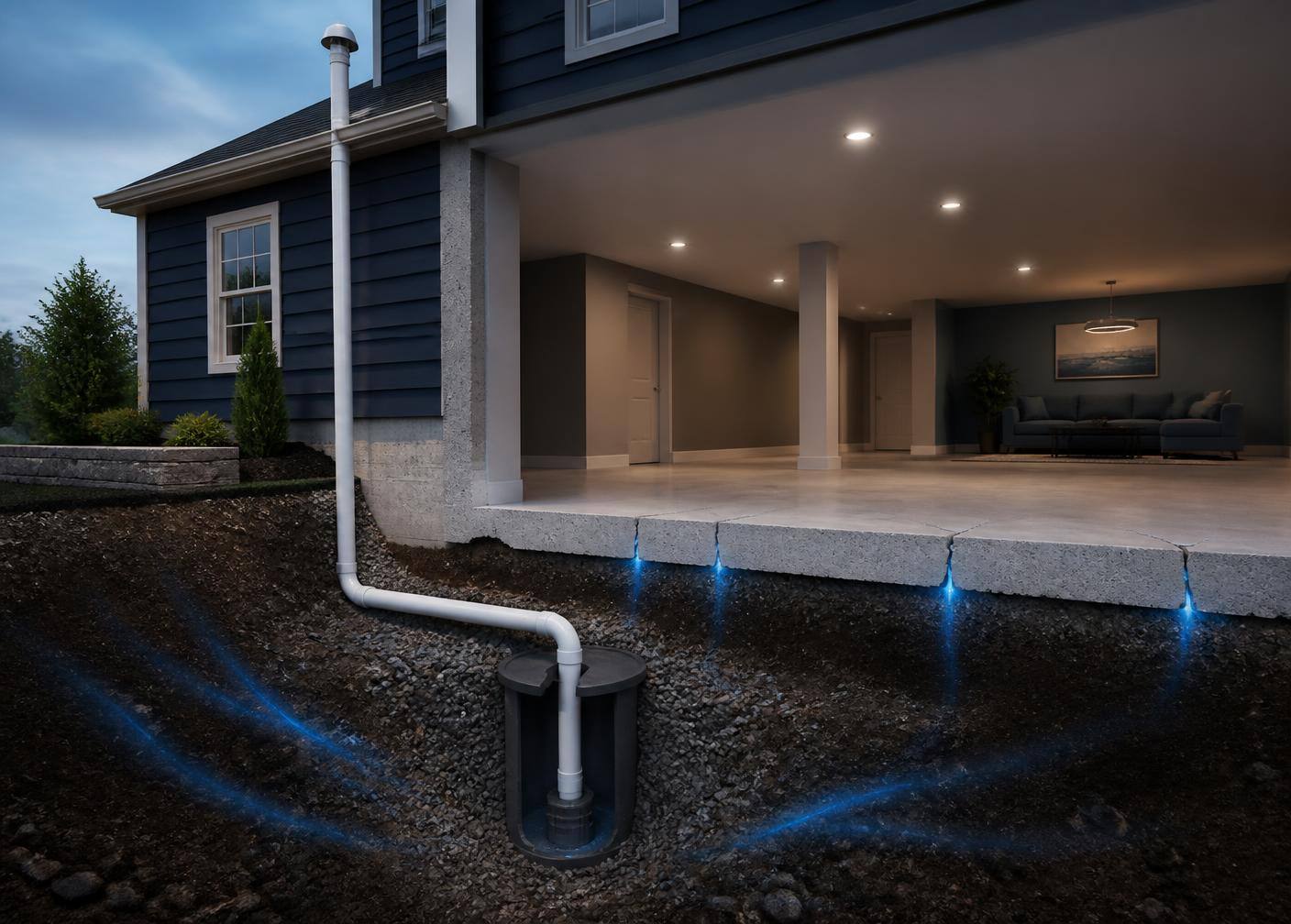
The glacial soils and limestone-shale bedrock across Greater Cincinnati generate radon gas as naturally occurring uranium decays underground. That gas follows the path of least resistance — up through slab cracks, sump pits, block walls, and utility penetrations — and collects inside the house.
Because the gas is colorless and odorless, a measurement is the only way to know your level. The EPA recommends acting at 4.0 pCi/L or above, and much of this region falls in their highest-risk zone.
Mitigation works by reversing the pressure difference that pulls soil gas indoors. A sealed suction point beneath the slab, a continuously running fan, and a discharge pipe above the roofline redirect the gas outside before it reaches the living space. A well-designed system typically brings levels below 2.0 pCi/L.
Systems We Install
Mitigation designed for how your home is built
The foundation type — basement, crawlspace, slab on grade, or a combination — determines the system design. Each of these is a different installation, not a different product.
Residential Radon Mitigation
Active soil depressurization matched to your foundation — whether it sits on a basement, crawlspace, slab on grade, or a combination.
Learn moreRadon During a Home Sale
Mitigation scheduled to fit inspection timelines, keeping real estate transactions on track for buyers and sellers.
Learn moreRough-Ins for New Builds
Passive and active rough-ins fitted while the slab is accessible — the stage where the work is simplest and least disruptive.
Learn moreCommercial & Multi-Family
Grid measurement, engineered system design, and installation coordinated around building occupancy schedules.
Learn moreHow It Works
From phone call to verified result
Four steps, no surprises. The scope and price are established before any work starts.
Schedule a visit
Call or fill out the estimate form. Most appointments fit within a few business days of your request.
Evaluate the foundation
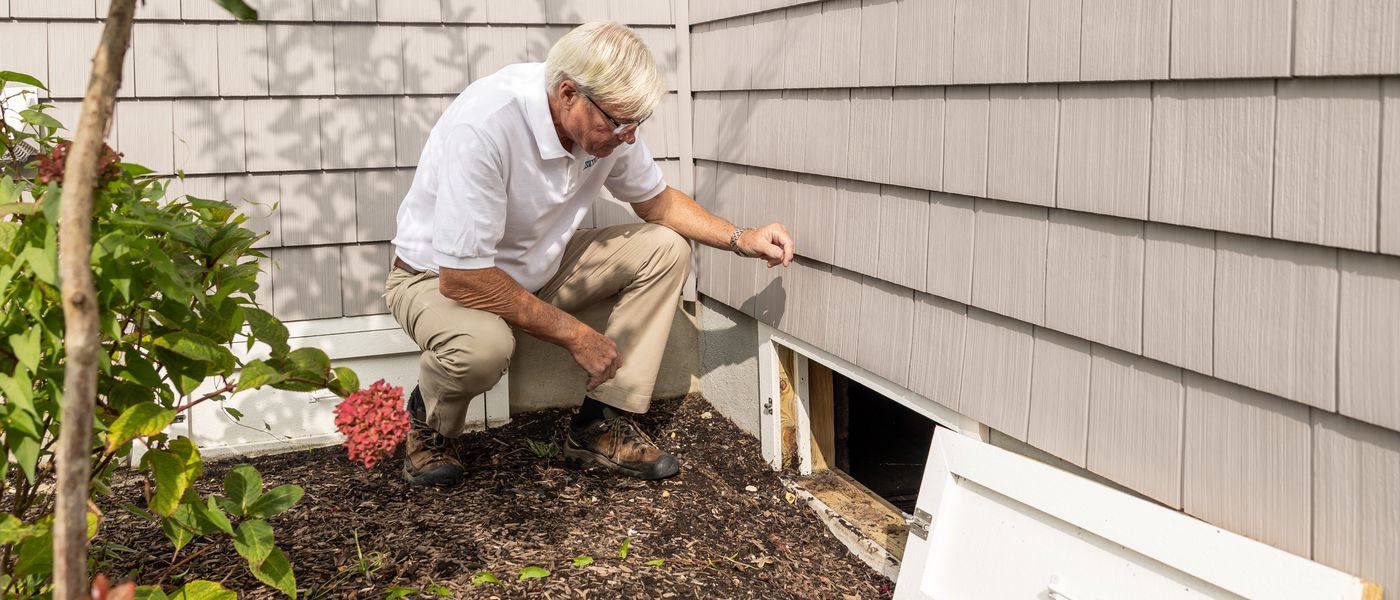
We walk the property to understand the foundation type, locate potential suction points, and plan the pipe route.
Design the system
Suction point placement, fan sizing, and pipe routing are determined by the structure — not by a template.
Install and verify
Most residential systems go in within a single day. A post-installation test confirms the level dropped where it needs to be.
Cost Factors
What determines the price of a radon mitigation system
Industry-wide, most residential systems fall between roughly $800 and $2,500. The number for your home depends on a few specifics.
Foundation type
A full basement with a poured slab is the most straightforward. Crawlspaces need membrane sealing. Multi-level foundations need multiple suction points.
Pipe routing distance
The further the pipe travels from the suction point to the roofline, the more material and labor the installation requires.
Number of suction points
Large footprints or foundations with interior footings that block airflow under the slab may need more than one suction point to reach the whole floor area.
Existing passive stack
Some newer homes have a passive rough-in from construction. If the stack is properly connected, adding a fan to activate it is simpler than building from scratch.
Slab and wall condition
Significant cracks, open sump pits, and hollow block walls all require sealing work to let the fan maintain negative pressure under the floor.
Accessibility
Finished basements, limited attic clearance, or tight mechanical rooms affect where the system can be placed and how long the install takes.
We provide a written estimate after evaluating the property — not a range quoted over the phone. Request yours here.
Why Cincy Radon Mitigation
How we approach the work
Mitigation Is the Whole Job
Not an add-on to another trade. Radon system design and installation is what this crew does every day.
Designed From Measurements
Where suction points go depends on pressure readings taken at your house, not on a stock drawing pulled off a shelf.
Quoted in Writing, Held to It
The figure on the written estimate is the figure on the invoice. Nothing is added the morning the crew arrives.
Honest About Whether You Need It
Some houses come back below the action level. When yours does, we say so rather than selling work that is not warranted.
Built to ANSI/AARST
Every installation follows the national consensus standard for radon mitigation system construction.
Documented Results
Post-installation test results and system details are delivered in writing — ready for your files or a future buyer.
Clean, Considered Installs
Pipe runs planned for appearance as well as function, sealed penetrations, and the workspace left the way we found it.
Available When You Call
Arrival windows that hold, progress updates during the work, and a real person picking up the phone after it is done.
Coverage
Radon mitigation across Greater Cincinnati
Installation crews cover Hamilton, Butler, Warren, and Clermont counties on the Ohio side and Boone, Kenton, and Campbell counties in Kentucky.
- Anderson Township, OH
- Blue Ash, OH
- Cincinnati, OH
- Fairfield, OH
- Hamilton, OH
- Indian Hill, OH
- Lebanon, OH
- Liberty Township, OH
- Loveland, OH
- Madeira, OH
- Mason, OH
- Middletown, OH
- Milford, OH
- Monroe, OH
- Montgomery, OH
- Norwood, OH
- Reading, OH
- Sharonville, OH
- Springboro, OH
- West Chester, OH
- Wyoming, OH
- Northern Kentucky
- Burlington, KY
- Covington, KY
- Erlanger, KY
- Florence, KY
- Fort Thomas, KY
- Independence, KY
See all the communities we serve across Southwest Ohio and Northern Kentucky.
Questions
What homeowners ask before scheduling
Straightforward answers about how mitigation works, what it costs, and what to expect during and after installation.
Have a question not listed here? Browse the full FAQ or get in touch.
Get Your Estimate
Tell us about the house
Fill out the form or call directly. You will hear back within one business day with a written price, a proposed date, and a description of what the installation involves.
- Written price before work begins
- Most homes completed in a single day
- Post-install verification test included
- Serving both sides of the river
Not sure what your home needs?
Call us and describe the foundation. We will tell you what is warranted and what is not.